The Sacred Masuda Island Prayer Technique
The complete 47-second Kinun-no-Inori, written out line by line with pacing, breath cues and the meaning behind each phrase.
The 47-Second Japanese Prosperity Prayer
One quiet minute before bed. One 47-second Golden Prayer. A prosperity ritual carried down through the Masuda Island tradition.
Instant digital access • No experience needed • 47 seconds a night
The Masuda Prayer is a short prosperity ritual built around a single spoken sequence: the Kinun-no-Inori, or Golden Prayer. It comes out of the closely held traditions of Masuda Island in Japan, where prosperity practices were passed from one household generation to the next rather than published. The practice asks for 47 seconds of your attention, once a day, usually right before sleep.
There is nothing to install, nothing to burn and nothing to buy again next month. You read the sequence, you say it, and you go to bed. What makes it unusual is not complexity but the opposite — it is short enough that people actually keep doing it, which is the part almost every other spiritual routine gets wrong.
The complete system takes that core prayer and surrounds it with the material you need to practise it properly: the advanced stone sequence, a tracker for your first two days, a condensed protocol for high-pressure moments, and the history behind the island itself.
Masuda Island belongs to the same spiritual landscape as the Shinto shrine: natural places treated as points of contact between daily life and something larger. The prayer inherits that habit of returning to the same words at the same time, letting repetition do what complexity cannot.
People come to this practice for money reasons and stay for reasons that are harder to put a number on. Here is what the ritual is actually built to give you:
None of this is fortune-telling. The Kinun-no-Inori does not claim to read your future from the sky. It asks you to state your intention and then live the next day as someone who meant it. In Japan, regular involvement in local ritual has been studied as a steadying part of daily life. A Descriptive Analysis of Religious Involvement Among Older Adults In Japan notes how repeated, low-effort spiritual practice can remain part of a routine for decades without becoming a burden. The Kinun-no-Inori was designed the same way: short enough to survive busy seasons, structured enough to keep its meaning.

The mechanism is repetition plus focus. Each night the prayer walks you through the same short arc — settle, speak the Kinun-no-Inori, name what you are working toward, and close. Because the wording stays constant, your mind stops negotiating with the ritual and starts using it.
Length is not devotion. A practice fails when it becomes one more thing you owe yourself. The Kinun-no-Inori was kept short on purpose: brief enough to do when you are exhausted, structured enough that it never feels casual.
The last thought before sleep tends to be the stickiest one of the day. Ending on prosperity and intention, rather than on a bank balance or an inbox, is the deliberate design choice at the centre of the practice.
Private prayer, even when brief, has been linked to real outcomes. Frequency of Private Prayer Predicts Survival Over 6 Years in a Nationwide U.S. Sample of Individuals with a Chronic Illness found that people who prayed privately had better survival patterns over a six-year window. The Masuda Prayer is not medical advice, but it does give intention a fixed nightly appointment instead of leaving it to chance.
The purchase is a one-time digital library, delivered in full the moment you check out. Six parts, all of them usable on night one:
The complete 47-second Kinun-no-Inori, written out line by line with pacing, breath cues and the meaning behind each phrase.
A deeper practice using hand positions drawn from the seven prosperity stones associated with the island tradition.
A short, structured log for your first two days, so you capture what shifts instead of trying to remember it later.
A condensed version for pressure moments: before a negotiation, an invoice conversation or a decision you keep postponing.
The background reading. Where the island sits, why the prayer stayed local for generations, and how it travelled.
Everything is delivered digitally the moment you complete checkout. No waiting, no shipping, no physical package.
Five steps. The first four take one evening; the fifth is where the practice deepens.
01
You receive instant digital access to the full library of materials, readable on any device you already own.
02
Read the prayer through twice. Most people have the rhythm of it before they finish their first cup of tea.
03
Sit down, put the phone face-down, and give it 47 seconds. Ending your day on intention rather than a scroll is the whole point.
04
Write one or two honest lines a day in the tracker. Patterns you would otherwise miss tend to show up here first.
05
Once the core prayer feels automatic, add the Seven Sacred Stones positions and the Emergency Prosperity Protocol.
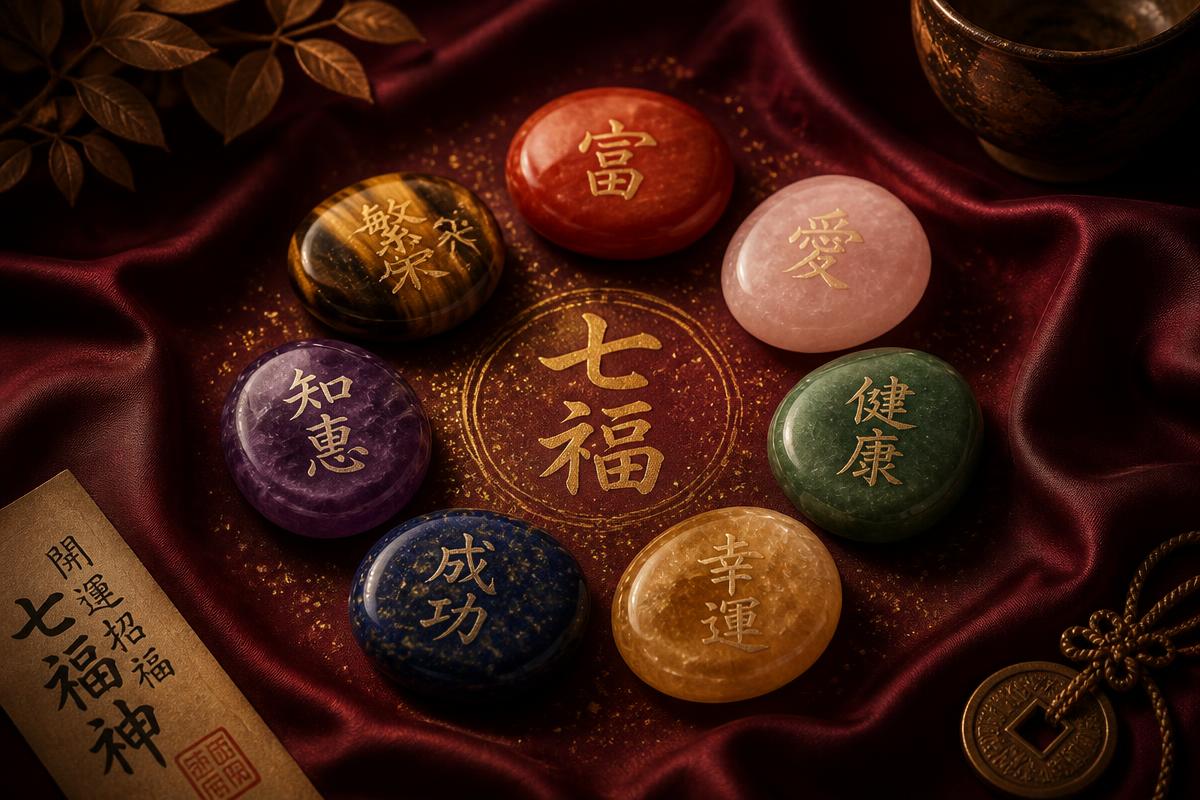
Once the Golden Prayer is second nature, the advanced sequence adds specific hand positions inspired by the seven prosperity stones of the island. Each position corresponds to one facet of abundance — wealth, health, wisdom, success, fortune, love and continuity. It adds roughly a minute to your evening and gives the practice something physical to anchor to.
“I keep the prayer card on my nightstand. Forty-seven seconds, lights out, done. Three weeks in, the thing I notice most is that I stopped going to bed with my jaw clenched about money.”
“I have never been able to sit still for meditation. This is short enough that I actually do it. The Seven Sacred Stones sequence is the part I look forward to on Sundays.”
“The 48-hour tracker surprised me. Writing down what I noticed made me realise how often I was talking myself out of asking for what I am worth.”
The Masuda Prayer is a digital prosperity ritual built around the Kinun-no-Inori, a 47-second Golden Prayer connected to the traditions of Masuda Island in Japan. The complete system adds the Seven Sacred Stones sequence, a 48-hour tracker, the Emergency Prosperity Protocol and a digital map and history file.
The core Kinun-no-Inori runs about 47 seconds. Most people finish the whole nightly routine, settling in included, in under two minutes.
No. There is nothing to memorise on day one and no posture to master. You read along with the sequence until it becomes familiar.
No. Every part of the system is digital, so you can read it on a phone, tablet or laptop and start the same evening.
Once, before bed. The ritual was designed to be the last deliberate thought of your day rather than another task competing with your morning.
You already have the 47 seconds. Tonight they go to a screen, or they go to the Golden Prayer. The complete system is delivered instantly and is yours to keep.
Practised once, before bed.